



Master of Public Health (MPH)
MPH (Online)
Shape healthier futures. Build professional credibility. Advance your career.
As health systems evolve and population health challenges become more complex, organisations need professionals who can lead change, improve outcomes and make evidence-informed decisions.
Aston University's online Master of Public Health (MPH) is designed for healthcare, nursing, social care and public-sector professionals who want to broaden their impact, strengthen their professional credibility and progress into public health, population health and health improvement roles.
You'll develop the knowledge, confidence and practical expertise to understand population health needs, evaluate evidence and contribute to meaningful improvements in health outcomes. Through a curriculum that explores areas such as epidemiology, public health research, digital health and precision public health, you'll build capabilities that support both immediate career progression and long-term professional growth.
 Start date
January, May, September
Apply now for any date

January, May, September
Apply now for any date

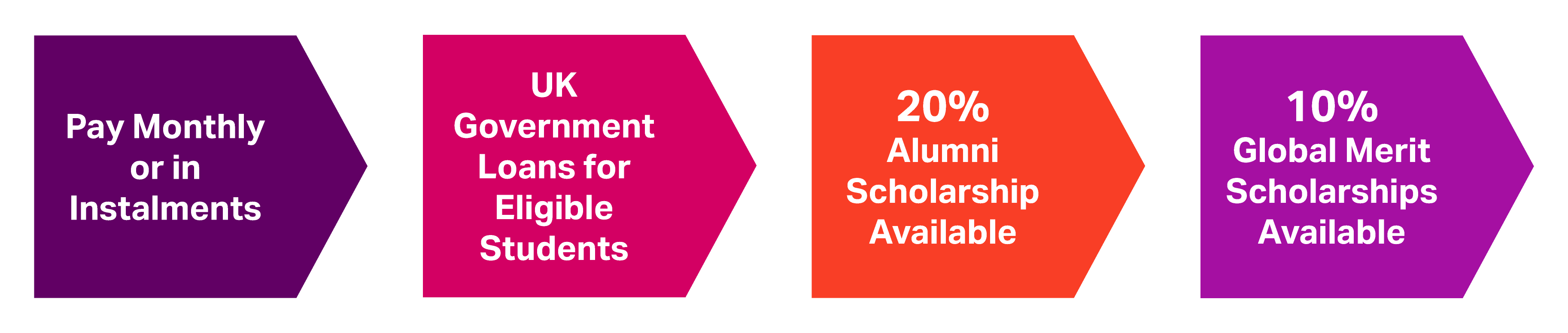
Funding options include UK government loans for eligible students, scholarships, and flexible payment plans. A deposit is required to secure your place

Two years (part-time)
Flexible distance learning
Study online with a globally recognised, Top 5% evaluated institution for £12,500. Flexible payments from £520 per month
Is this for me?
-
For healthcare and public-sector professionals looking to broaden their impact and advance their careers
-
Flexible online study built around work and personal commitments
-
Develop expertise in epidemiology, population, digital and environmental health, and evidence-based decision-making
Ready to build specialist expertise and create greater impact?

As their careers develop, many healthcare, nursing, social care and public-sector professionals look to broaden their expertise, advance their professional credibility and increase their impact on health outcomes.
Whether your goal is to move into public health, strengthen your contribution within your current role or prepare for future leadership opportunities, progression increasingly requires the ability to understand population health challenges, evaluate evidence and make informed decisions that improve outcomes at scale.
Aston University's online MPH is designed to help you make that transition. Through flexible online study, you'll develop the public health knowledge, analytical capability and practical understanding needed to contribute more effectively to health improvement, prevention and population health initiatives.
Advance your career without putting it on hold
Many students join the programme with established careers, existing responsibilities and valuable professional experience.
They are not starting from scratch. They are building on what they already know to develop specialist expertise, broaden their opportunities and increase the impact they can make through their work.
You'll study alongside professionals from healthcare, nursing, social care and public-sector backgrounds, gaining new perspectives while applying your learning directly to real-world challenges within your own organisation and professional context.
The flexible online format allows you to continue progressing professionally while gaining a recognised public health qualification.
A university recognised for student success and career-focused education
Aston University has a strong reputation for helping students develop the skills, knowledge and confidence employers value.
The MPH combines public health foundations with applied epidemiology, population health, research methods and future-focused topics including digital health and precision public health, helping you develop expertise aligned to both current workforce needs and emerging sector priorities.
Build capability employers increasingly value
Public health expertise is increasingly valued across healthcare providers, local authorities, public health agencies, charities and government organisations.
In 2024, more than 6,200 UK public health-related vacancies were advertised outside nursing-specific roles, reflecting growing demand for professionals with expertise in population health, prevention, health improvement, analysis and public health practice (Lightcast UK Labour Market Analysis, 2024).
Key employers included the NHS, UK Health Security Agency, local authorities and higher education institutions (Aston University Graduate Outcomes and Destinations Data, 2018/19–2023/24).
The Aston Online MPH is designed to help you develop the specialist expertise, analytical skills and professional credibility needed to pursue opportunities across this growing sector.
Career opportunities may include:
Population health manager: Lead initiatives that improve health outcomes across populations, communities and healthcare systems.
Health improvement manager: Design and deliver programmes that promote healthier lifestyles, reduce inequalities and improve long-term wellbeing.
Public health analyst: Use epidemiology, data and research to inform public health strategy, policy and decision-making.
Public health programme manager: Lead public health initiatives, prevention programmes and service transformation projects.
Public health consultant: Provide strategic advice that shapes public health policy, population health strategies and organisational decision-making.
Researcher or epidemiologist: Generate evidence that informs interventions, prevention strategies and public health policy.


I decided to pursue the online route because it afforded me the flexibility of learning while juggling my life as a career wife and mom. It also meant I was able to learn at my own pace within each module timeline.

What will I gain?
-
Develop the knowledge and skills that underpin modern public health practice
-
Strengthen professional credibility with a recognised MPH qualification
-
Build confidence to analyse evidence, evaluate interventions and inform decision-making
Develop the capabilities that support progression and impact
Improving health outcomes requires more than professional experience alone. It requires the ability to interpret evidence, understand population needs, evaluate interventions and contribute to decisions that create meaningful change.
Throughout the programme you'll learn how to:
Understand population health challenges: Develop the insight needed to tackle health inequalities, improve outcomes and better understand the factors influencing population health.
Make evidence-based decisions with confidence: Build expertise in epidemiology, research methods and data interpretation so you can critically evaluate evidence and support informed decision-making.
Design and evaluate public health interventions: Learn how evidence-informed initiatives are planned, implemented and assessed to improve effectiveness and deliver meaningful outcomes.
Navigate emerging public health challenges: Explore areas such as digital health, precision public health and other evolving priorities that are shaping the future of the sector.
Apply learning immediately in practice: Connect academic learning directly to workplace challenges, helping you make more informed decisions and deliver greater impact within your professional role.

Can I realistically do this?
- Study part-time online while continuing in your current role
- Access support from dedicated tutors, advisors and online learning resources
- Manage your workload with structured modules, guidance and clear deadlines
Your online learning experience

1
Personal welcome
2
Seamless onboarding
3
Dedicated student support
4
Ongoing wellbeing guidance
5
Expert online tutors
6
Connected student community
7
24/7 Digital Campus access
8
Flexible study, anywhere
Support from application to graduation
Balancing postgraduate study alongside work, leadership responsibilities and family commitments can feel challenging. That's why support is built into every stage of your MPH journey.
From enrolment through to graduation, our Student Success team will help you navigate online study, access learning resources and stay focused on your personal and professional goals.
You'll also benefit from academic guidance throughout your studies, with support available whenever you need help with your learning or assessments. Many students find having access to experienced academics and responsive support teams particularly valuable when balancing study with other commitments.
Alongside this, you'll learn within a collaborative environment that brings together professionals from a wide range of industries and backgrounds. Discussions, group activities and shared experiences help you learn from others while applying new ideas to your own professional context.
Many students join the MPH with extensive workplace experience but may not have studied formally for some time. Our support services are designed to help you build confidence throughout your studies while continuing to progress professionally.

Is it worth it?
-
Progress into public and population health opportunities with confidence and credibility
-
Develop specialist expertise shaped by contemporary public health practice
-
Earn a recognised Master of Public Health from Aston University while you work
Why professionals choose Aston's Online MPH

A recognised Master of Public Health built around workforce relevance, flexibility and professional impact
The Aston Online MPH is designed for professionals who want to deepen their expertise, broaden their opportunities and contribute more effectively to improving health outcomes.
Develop expertise aligned to today's workforce needs: Build capability in epidemiology, population health, health inequalities, public health research and evidence-based decision-making, helping you contribute more effectively to prevention, service improvement and population health initiatives.
Explore the future of public health: Go beyond traditional public health foundations through topics including digital health, precision public health, climate change, environmental health and health diplomacy, developing expertise aligned to the evolving priorities of employers and health systems.
Learn through applied and practical study: Strengthen your ability to interpret evidence, evaluate interventions and solve real-world public health challenges through research, analysis and independent project work.
Progress professionally while you study: Study flexibly online with no compulsory live lectures or fixed schedules, enabling you to continue working while developing expertise that can be applied immediately within your organisation.
Your tuition includes access to Aston's extensive e-library, dedicated academic support and a collaborative online learning environment, helping you develop the knowledge, capability and confidence to make a greater contribution throughout your career.
We are ranked in the Top 5% of evaluated institutions
QS World University Rankings 2027
It’s been an exciting time at Aston University, with amazing new achievements that highlight our teaching excellence, outstanding student outcomes, and strong performance in global and UK rankings. Here are just a few highlights:
- Aston University is now ranked in the Top 5% of global universities (Top 5% evaluated institutions, QS World University Rankings).
- Aston University was named the University of the Year for Student Success 2025 in the Daily Mail University Guide.
- Aston University is 2nd in the country for Social Mobility (Higher Education Policy Institute).
And that’s just the beginning. Watch our video to discover more.

Flexible payment plans and funding options
A curriculum built for modern public health practice
Designed around the realities of today's public health environment, Aston's MPH combines public health foundations with epidemiology, population health, research methods and future-focused topics including digital health, precision public health and health inequalities.
You'll develop the analytical and evidence-based decision-making capabilities needed to understand complex health challenges, evaluate interventions and contribute to improving outcomes across communities, services and populations.
Throughout the programme, you'll build expertise that can be applied immediately in professional practice while preparing for the evolving future of public health.
Each credit of study is equivalent to 10 learning hours. For example, 30 credits reflect 300 hours of learning.
Modules

Foundations of public health
30 credits
This module will introduce and integrate key concepts, theories, methods, and topics on the foundational concepts in public health, such as health promotion, the sociology of health and illness, health policy, global health, and basic research methods.
The module also includes reflective activities that require students to critically evaluate the role of health promotion practitioners and the key skills needed for effective public health practice.
Approaches to public health
30 credits
This module examines different approaches to public health. It examines the role that epidemiology, health promotion, and behavioural health interventions play in understanding and improving population-level and individual-level health and healthcare.
Methodologies of public health
30 credits
Using relevant case studies from across public health, this module will explore the variety of methodologies and approaches that can be used in public health, including qualitative, quantitative, and mixed methods, as well as key considerations on research ethics and public health ethics.
Emerging areas in public health
30 credits
This module will explore the current issues and emerging areas in public health and the interdisciplinarity with other sectors. The module will look into diverse aspects related to population health, including digital health, artificial intelligence, precision health, environmental health, climate change, health diplomacy, migration, complex health emergencies, and other major trends.
Aston global advantage and research methods
30 credits
This module aims to provide students with a distinct global advantage through the teaching of the fundamental principles behind sustainable development, business pitching, team-working and leadership within relevant contexts. The module allows students to showcase their expertise within their discipline by proposing a novel, digital solution to a business challenge drawn from real-world case studies and live project briefs.
MPH dissertation
30 credits
The module provides an opportunity to undertake an independent research project. The topic and methodology are chosen through consultation with and guidance from an academic supervisor. Your research may address any public health issue/problem and use any appropriate method(s) that has been approved by your supervisor. The module aims to develop your capacities for designing, conducting, and presenting public health research; undertaking independent work; and extending your critical, methodological, and organisational abilities.
Learning outcomes
Module 1
- Discuss and understand social, commercial, economic and political factors that influence local and global health, including the context of place in public health.
- Identify how theory can be used practically to inform the design of health promotion interventions.
- Apply and critically discuss basic terms, concepts, measurements and evaluations related to population health and health inequalities.
- Demonstrate an understanding of the public health interventions that can be used to address social and commercial determinants of health at a population, community and individual level.
- Demonstrate a critical understanding of the impact of specific industrial sectors on health.
- Demonstrate an understanding and critical awareness of a range of contemporary (global) health issues.
- Independently and critically identify specific health problems and formulate solutions using appropriate methods and correct use of evidence.
Module 2
- Understand epidemiology and its relevance for public health.
- Describe and apply measures of frequency of disease (incidence, prevalence, risk, rate, odds) association (risk ratio, rates ratio, odds ratio, relative and absolute risk, etc.) and effect.
- Explain the principles, strengths, and limitations underlying different epidemiological studies (e.g. cross-sectional, cohort, case-control).
- Identify problems caused by random errors, bias, and confounding in interpreting epidemiological data.
- Interpret statistical analyses to describe the occurrence and distribution of disease and its determinants.
- Acquire skills in statistical software used for epidemiological analyses.
- Describe health behaviour theories that underpin the design and evaluation of health promotion strategies and public health interventions.
- Identify how theory can be used practically to inform the design of health promotion interventions.
- Illustrate some of the dilemmas raised by health promotion activities, especially those that focus on individual behaviour.
- Outline the difficulties of evaluating outcomes of health promotion strategies and screening programmes.
- Understand the criteria for implementing a screening programme (including those relating to the condition, the test, the treatment, and the programme).
Module 3
- Review and understand the different methods that can be mobilised in public health studies and analyses, outlining their characteristics and scope.
- Demonstrate an understanding of how different research methods fit different research objectives.
- Understand the different types of formats and documents that can be used to disseminate public health knowledge.
- Become familiar with online platforms and software packages that can be used to store or process information regarding public health.
- Understand how a public health study can be designed, justified, and proposed.
Module 4
- Discuss the current issues impacting public health in contemporary society.
- Demonstrate an understanding and critical awareness of a range of trending and emerging public health issues.
- Understand and discuss the impact of emerging fields in public health, including the role of technology and innovation.
- Analyse case studies illustrating modern public health challenges and solutions.
- Understand the economic determinants of health and the relationship between health policies and international economic processes.
- Discuss the relationship and importance of interdisciplinary and collaboration in public health.
Module 5
- Evaluate your own competencies and areas for improvement within the context of working towards becoming a global professional.
- Design and communicate a solution to a real-world challenge with consideration to sustainable, ethical and social impact.
- Synthesise a range of requirements when proposing novel, sustainable, digital solutions to real-world challenges.
- Design an independent research proposal that is achievable, realistic and timely.
Module 6
- Demonstrate independent research skills, including the ability to think critically, conduct a literature review, develop research questions, a research plan, and research, design, and address issues fundamental to responsible research (e.g., data protection and ethics approval).
- Apply public health research skills relating to research methodology, application of theory, and analysis of data, to a real-world problem.
- Demonstrate an ability to produce a report according to prescribed standards, including an introduction, analysis and synthesis of relevant background literature, methods section, results, discussion, recommendations (where relevant) and conclusion.
- Demonstrate the ability to present, interpret and discuss research findings in relation to other studies and, where relevant, make recommendations in a clear and systematic format.
The programme aims to:
- Equip you with the theoretical knowledge and practical skills needed to address public health challenges at a local, national and international level.
- Develop your critical understanding and application of foundational public health concepts, theory, and practice.
- Help you understand, interpret, and apply key concepts in epidemiology, including measures of disease and types of epidemiological studies, to address population-based health issues.
- Equip you to design and evaluate health promotion strategies that support healthy behaviours and lifestyles.
- Support you in implementing and evaluating public health interventions using behaviour change theories and frameworks.
- Familiarise you with various methodologies and approaches in public health for designing studies, collecting, analysing, and reporting public health information and data to support the improvement of health and lifestyles in a comprehensive, effective, and responsible way.
- Develop your critical understanding of the broader influences of different issues in public health and equip you with the knowledge and skills needed to address growing global and local challenges.
- Give you a global advantage by teaching the fundamentals of sustainable development, business pitching, teamwork, and leadership within an engineering context, enabling you to showcase your expertise by proposing innovative digital solutions to real-world business case studies and live project briefs.
- Develop your ability to design, conduct, and present public health research; work independently; and strengthen your critical thinking, methodological skills, and organisational capabilities.
*We may update our programmes to reflect best practices and academic developments. If we do, we’ll let you know of any changes at the earliest opportunity by updating our programme webpages. If you have already received an offer, we’ll write to you directly to let you know of the changes.
Entry requirements
Meeting our entry requirements is more than a gateway to the programme; it is evidence of your readiness to succeed at postgraduate level. The Master of Public Health (MPH) attracts professionals who demonstrate academic capability, intellectual curiosity and a commitment to improving health outcomes. Many students join the programme with experience in healthcare, nursing, social care, public health or the wider public sector and are seeking to develop the expertise, analytical capability and professional credibility needed to progress into broader public health, population health and health improvement roles.
Standard entry requirements
You will need one of the following:
-
A UK 2:2 (lower second-class honours) degree
-
An equivalent international degree recognised by Aston University
You will also need to provide:
-
Evidence of mathematical ability beyond age 16
Acceptable evidence includes:
-
A GCSE Maths qualification with a grade B/5 or above
-
A university module that includes mathematical content (e.g. quantitative methods, epidemiology, or statistics)
-
Statistics or quantitative methods studied as part of a research methods programme
You will need to provide:
-
A copy of your bachelor's degree and transcripts (translated to English if necessary)
-
Your curriculum vitae (CV)
-
A professional reference
-
Your ID
-
Proof of English language (if applicable)
-
GCSE Maths certificate (or international equivalent, if applicable) or proof of Maths capabilities
Non-standard entry routes
We take a holistic approach to evaluating applications, considering both your academic background and professional experience. If you don’t meet the standard entry requirements, you may still be considered if:
-
You can demonstrate strong professional achievements or relevant qualifications
-
Have at least three years of relevant work experience
You will need to provide:
-
A personal statement detailing your motivations for undertaking this programme and how your background, qualifications, and experiences will help you meet its demands
Get in touch with a Student Advisor to check if you're eligible to enrol: enquiries@astononline.ac.uk.
International students
Every year, students from over 120 countries choose Aston, bringing with them a wide range of international degrees and qualifications. We recognise this diversity while maintaining rigorous academic standards, reflecting the global business landscape our graduates lead in.
A Student Recruitment Advisor can assess your degree equivalency on your behalf as part of the application process. You can also explore recognised qualifications by region, including Africa, the Americas, Asia, Europe, and the Middle East, here. For personalised advice before applying, contact our Admissions Team at enquiries@astononline.ac.uk.
English language requirements
Applicants whose first language is not English must provide evidence of a recognised English language qualification, taken within the last two years and accepted by Aston University. If needed, we can provide an internationally accredited online English Language Assessment, which you can discuss with your Student Recruitment Advisor during the application process.
We accept a wide range of English language qualifications, including:
-
IELTS Academic and IELTS Academic Online
-
IELTS One Skill Retake
-
TOEFL and TOEFL iBT
-
Oxford ELLT (Global and Digital)
-
Pearson Academic (PTE)
-
Password Test
-
Language Cert International ESOL SELT
-
Kaplan Test of English (KTE)
-
Cambridge Advanced Test (CAE)
-
Cambridge Proficiency Test (CPE)
Find out if you qualify
If you have any questions about your eligibility or the application process, please get in touch with the Aston Online Admissions Team:
Email: enquiries@astononline.ac.uk
Call: +44 (0) 121 824 6374
Our office is open Monday to Friday, 09:00 - 17:00 GMT
Take a quick eligibility check
Complete a quick online check to see how your experience and qualifications align with our entry requirements.



Ready to take the next step?
Start your application and take the next step towards becoming a more influential, evidence-led public health professional.
FAQs
Is a Master of Public Health (MPH) worth it?

For many professionals, an MPH is not simply about gaining a qualification. It is an opportunity to develop the expertise, credibility and analytical capability needed to contribute more strategically to improving health outcomes.
As healthcare systems place increasing emphasis on prevention, population health and reducing inequalities, organisations need professionals who can interpret evidence, evaluate interventions and contribute to decisions that improve outcomes at scale.
How can an MPH help my career?
The programme is designed for professionals seeking broader influence and responsibility within healthcare, public health and public services.
Graduates may pursue opportunities in areas such as:
- public health
- population health
- health improvement
- public health analysis
- service transformation
- public health programme management.
The skills developed throughout the programme align closely with areas of growing workforce demand, including epidemiology, population health, research and evidence-based decision-making.
Do I need to be working in public health to study this programme?
No. Many students join the programme from healthcare, nursing, social care, community services and public-sector backgrounds.
The programme is designed to help professionals develop public health expertise that can be applied across a wide range of roles and settings.
What makes Aston's MPH different from other MPH programmes?
Alongside core public health foundations, Aston's MPH explores emerging areas that are increasingly shaping the future of the profession, including:
- digital health
- precision public health
- climate change and public health
- environmental health
- health diplomacy
- public health research.
The programme combines these future-focused themes with strong capability development in epidemiology, evidence-based practice and population health.
Will I learn practical skills that I can use in my current role?
Yes. The programme is designed to help professionals apply learning directly to real-world challenges. Throughout your studies, you will develop the ability to:
- interpret and evaluate evidence
- analyse public health data
- assess population health challenges
- design and evaluate public health interventions
- support service improvement and health improvement initiatives.
Many students apply concepts and frameworks from the programme within their professional role while studying.
Can I study while working full-time?
Yes. The programme is delivered fully online and designed specifically for working professionals. There are no compulsory live lectures or fixed schedules, allowing you to study alongside professional and personal commitments.
Many students continue working full-time while completing the programme.
I already have significant professional experience. How will this programme help me?
Many students join the programme with established careers and substantial professional experience.
Rather than providing entry-level knowledge, the programme helps experienced professionals broaden their expertise, strengthen their credibility and develop the public health perspective needed to contribute more strategically to healthcare, population health and health improvement initiatives.
What areas will I study?
The curriculum combines public health foundations with contemporary public health practice, covering topics such as:
- epidemiology
- population health
- health inequalities
- public health research
- health promotion
- public health evaluation
- digital health
- precision public health
- environmental health
- emerging public health challenges.
Who is this programme best suited to?
This programme is particularly suited to:
- healthcare professionals
- nurses
- allied health professionals
- social care professionals
- community health practitioners
- public-sector professionals
- individuals seeking progression into public health or population health roles.
Why study public health now?
Healthcare and public service organisations face increasing challenges, including health inequalities, ageing populations, chronic disease and growing demand for prevention-focused services.
Professionals who can understand population health, interpret evidence and contribute to improving outcomes are becoming increasingly important across healthcare, local government and public health organisations.
Developing recognised public health expertise can help position you for future opportunities while enabling you to make a broader impact within your profession and community.


Download brochure
Don’t hesitate to reach out! Our friendly Admissions Team is ready to answer your questions and offer personalised guidance on eligibility and funding options.
 Programme information
 Career pathways
 How online study works
 Programme fees
 How to apply